Object
|
Light
Wing Lamp
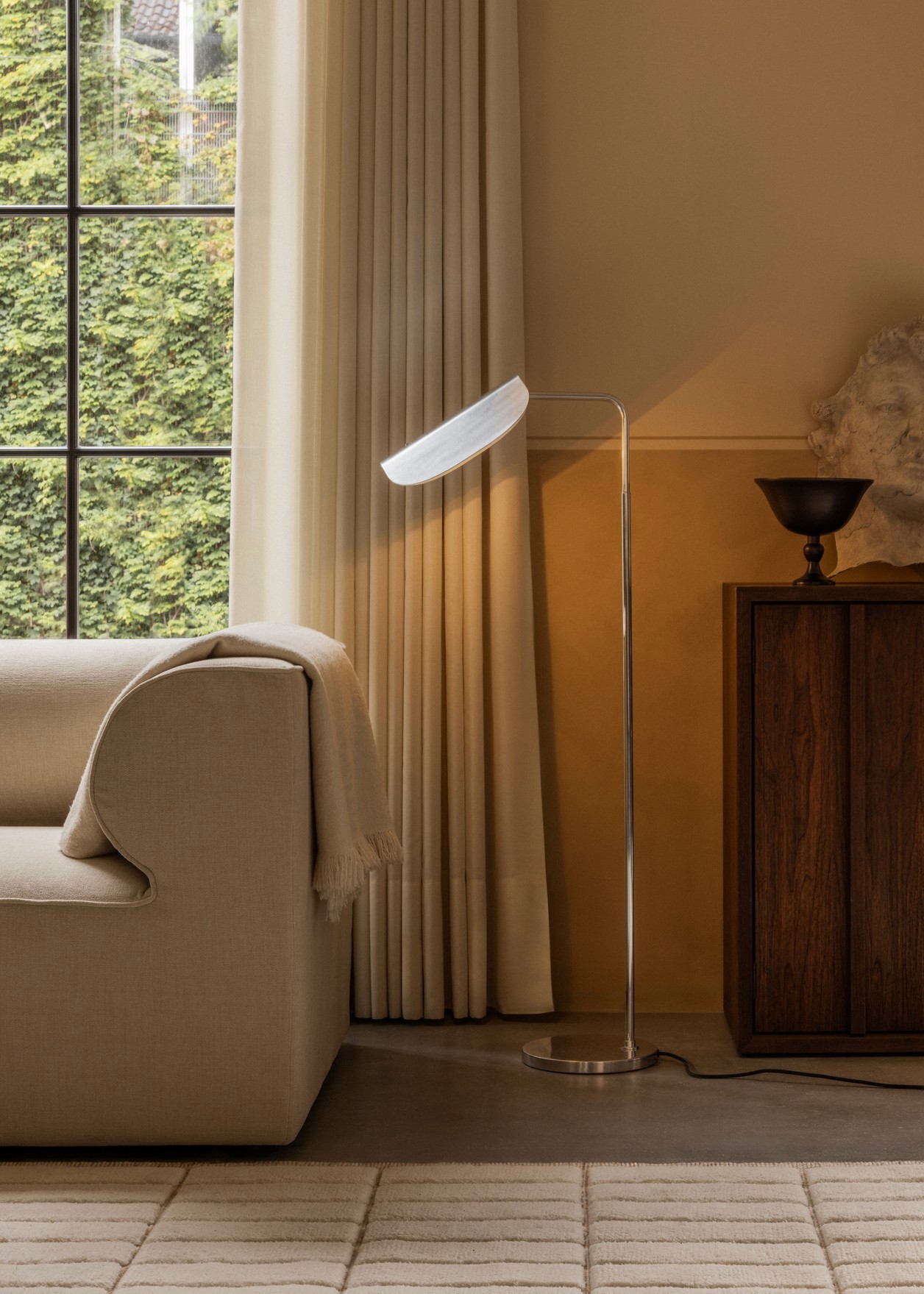
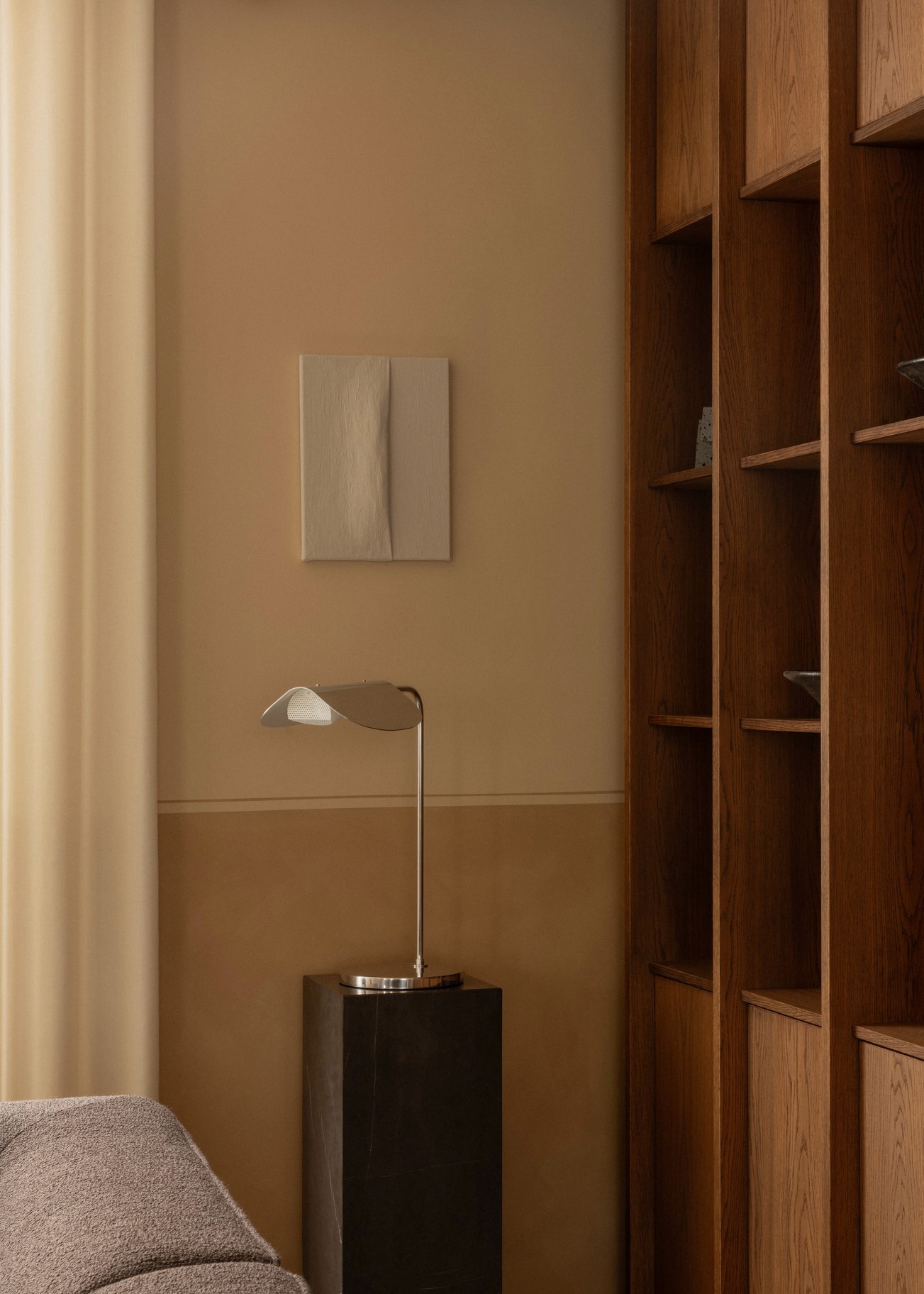
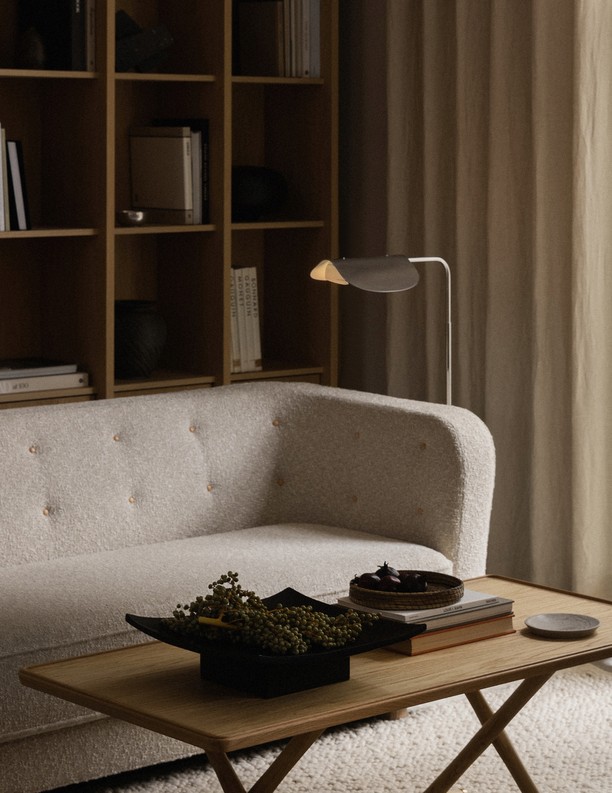
There is a rare category of design that feels both anchored in history and entirely unburdened by it. The Wing Floor Lamp, envisioned by Kenneth Bergenblad in the late 1970s, belongs to this elite group. Its silhouette—a slender stem crowned by a sweeping, polished aluminum shade.
Year
1970s
Year
1970s
Location
Sweden
Location
Sweden
Designer
Kenneth Bergenblad
Designer
Kenneth Bergenblad
Materials
Polished aluminium
Materials
Polished aluminium
The Story of Wing Floor Lamp
The Story of Wing Floor Lamp
There is a specific moment in the late afternoon when the light in a room begins to shift from functional to atmospheric. It is in this transition that the Wing Floor Lamp truly breathes.
Designed in the late 1970s by Kenneth Bergenblad, the lamp was born from a desire to merge the strict, clean "idiom" of Swedish modernism with a sense of organic play. Bergenblad looked to the kinesis of nature—specifically the effortless tilt of a bird’s wing as it catches a thermal—and translated that grace into polished aluminum.
The beauty of the Wing lies in its duality. At first glance, it is a minimalist sentinel: a slender, vertical line topped by a shimmering horizontal plane. But with a gentle touch, the shade rotates, breaking its own symmetry. As the "wing" tilts, it redirects the light—casting a focused glow for a quiet evening of reading, or angling upward to wash a lime-wash wall in soft, indirect warmth.
There is a specific moment in the late afternoon when the light in a room begins to shift from functional to atmospheric. It is in this transition that the Wing Floor Lamp truly breathes.
Designed in the late 1970s by Kenneth Bergenblad, the lamp was born from a desire to merge the strict, clean "idiom" of Swedish modernism with a sense of organic play. Bergenblad looked to the kinesis of nature—specifically the effortless tilt of a bird’s wing as it catches a thermal—and translated that grace into polished aluminum.
The beauty of the Wing lies in its duality. At first glance, it is a minimalist sentinel: a slender, vertical line topped by a shimmering horizontal plane. But with a gentle touch, the shade rotates, breaking its own symmetry. As the "wing" tilts, it redirects the light—casting a focused glow for a quiet evening of reading, or angling upward to wash a lime-wash wall in soft, indirect warmth.

Copyright
Images courtesy of Audo Copenhagen
Copyright
Images courtesy of Audo Copenhagen