Spaces
|
Building
Casa Batlló
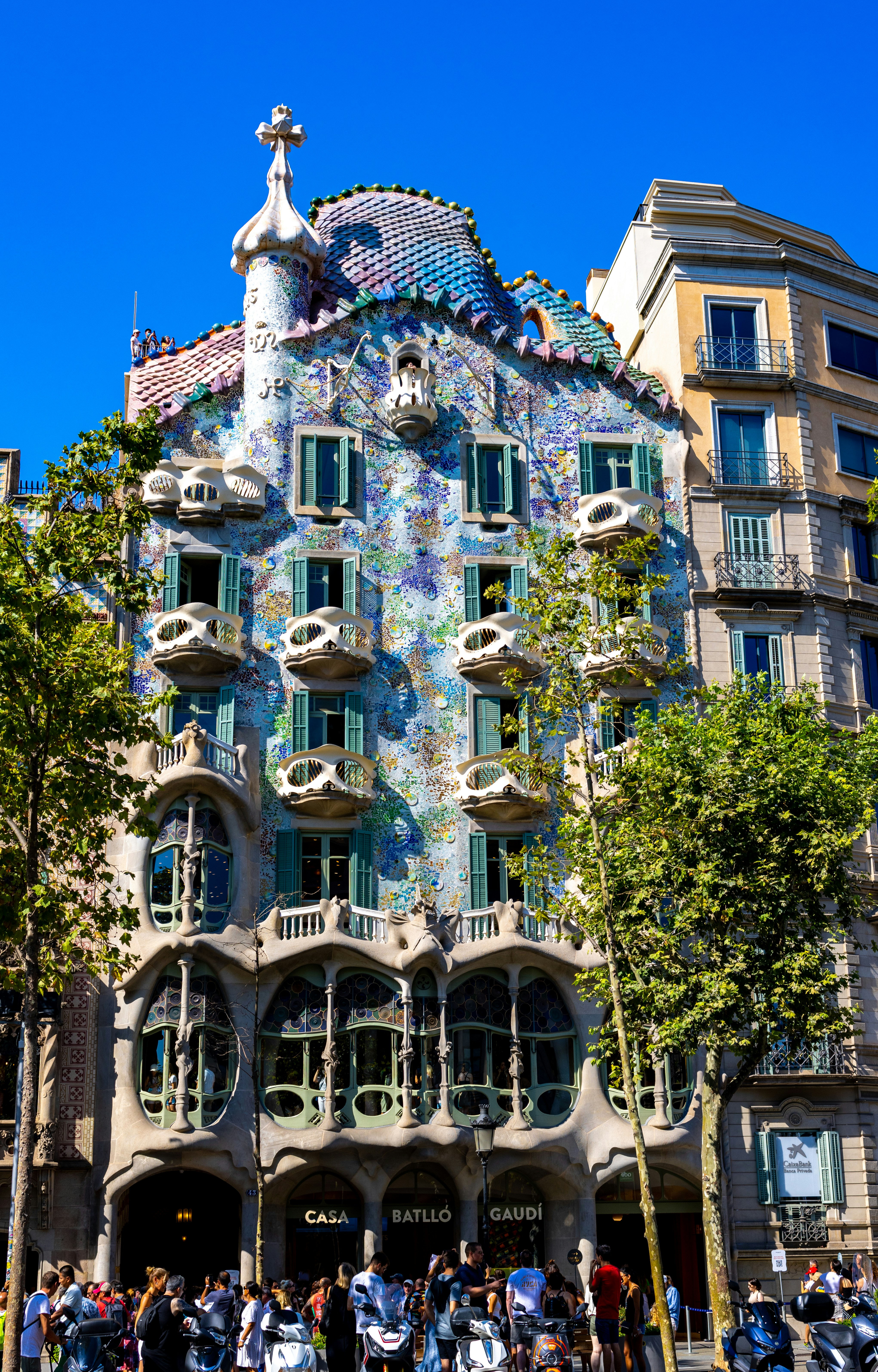
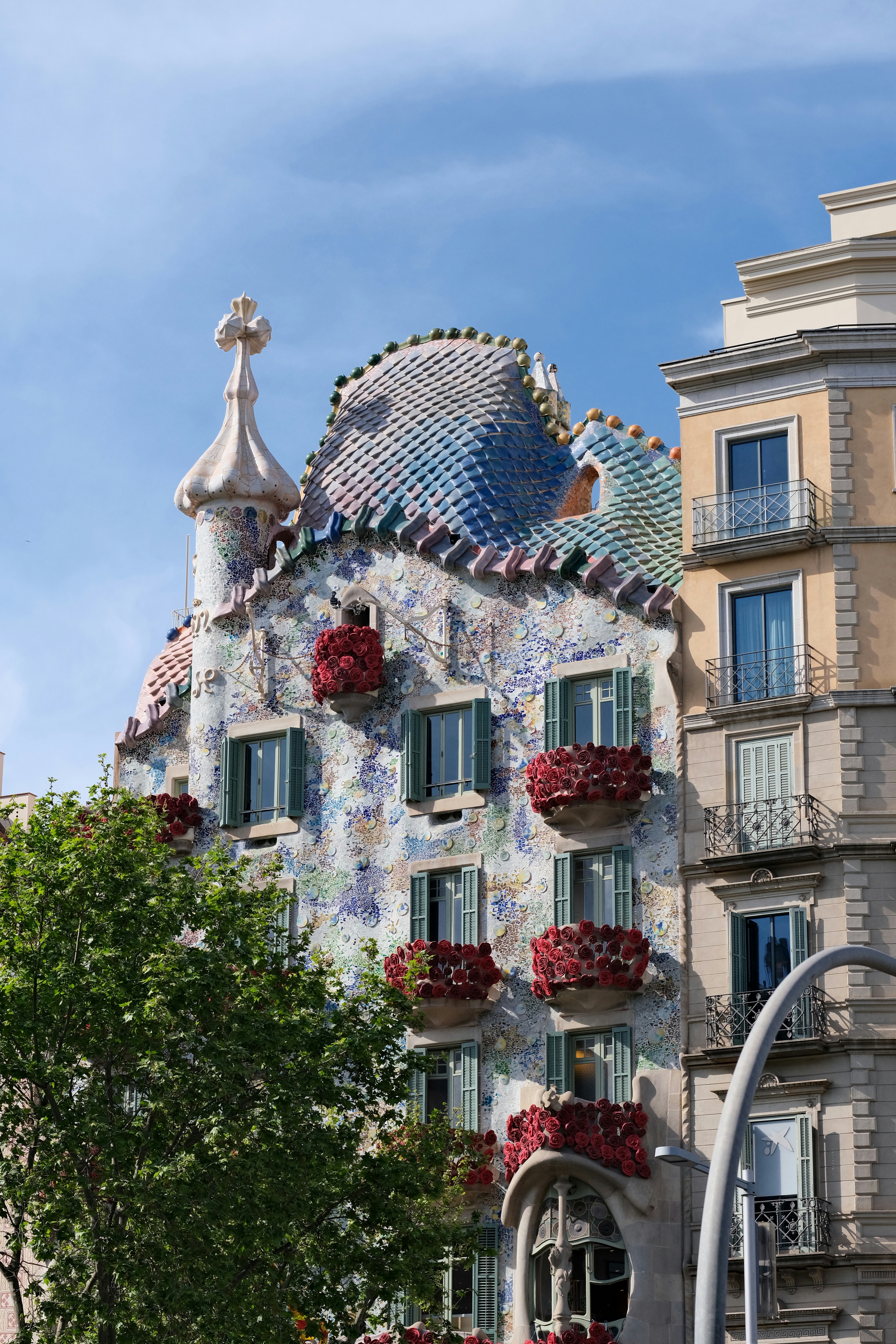
A fluid, almost dreamlike façade rises along Passeig de Gràcia, where architecture dissolves into art. Casa Batlló stands as one of the most expressive examples of how space, light, and material can be shaped into an emotional experience.
Designer
Antoni Gaudí
Designer
Antoni Gaudí
Year
1904 (renovation)
Year
1904 (renovation)
Country / City
Barcelona
Country / City
Barcelona
Materials
Stone, glass, ceramic, wood, wrought iron
Materials
Stone, glass, ceramic, wood, wrought iron
The story of
The story of
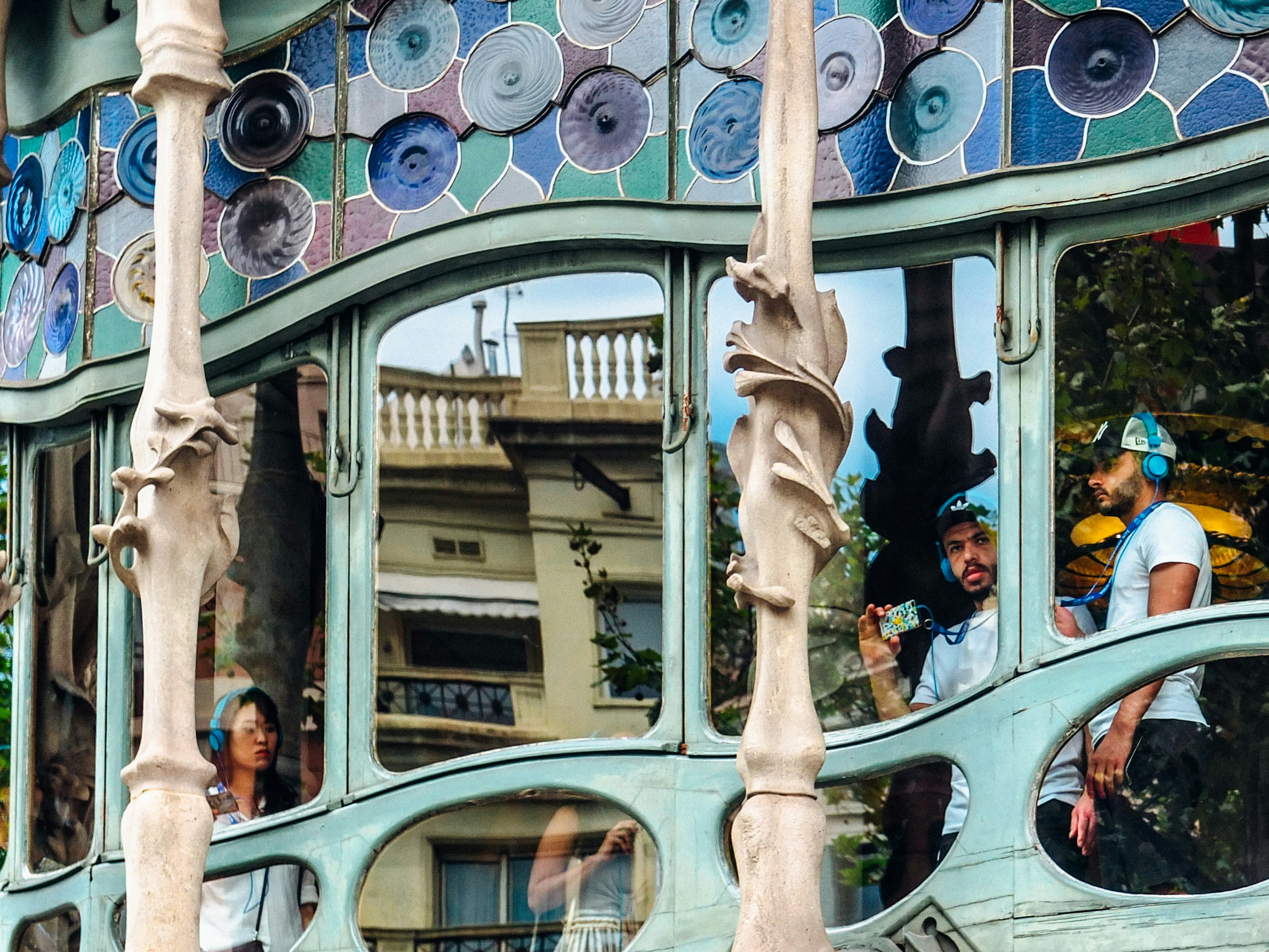
Originally a conventional building, Casa Batlló was transformed when industrialist Josep Batlló commissioned Antoni Gaudí to redesign it. Rather than demolishing the structure, Gaudí reimagined it entirely—reshaping the façade into a living surface of color and movement, inspired by nature and marine forms.
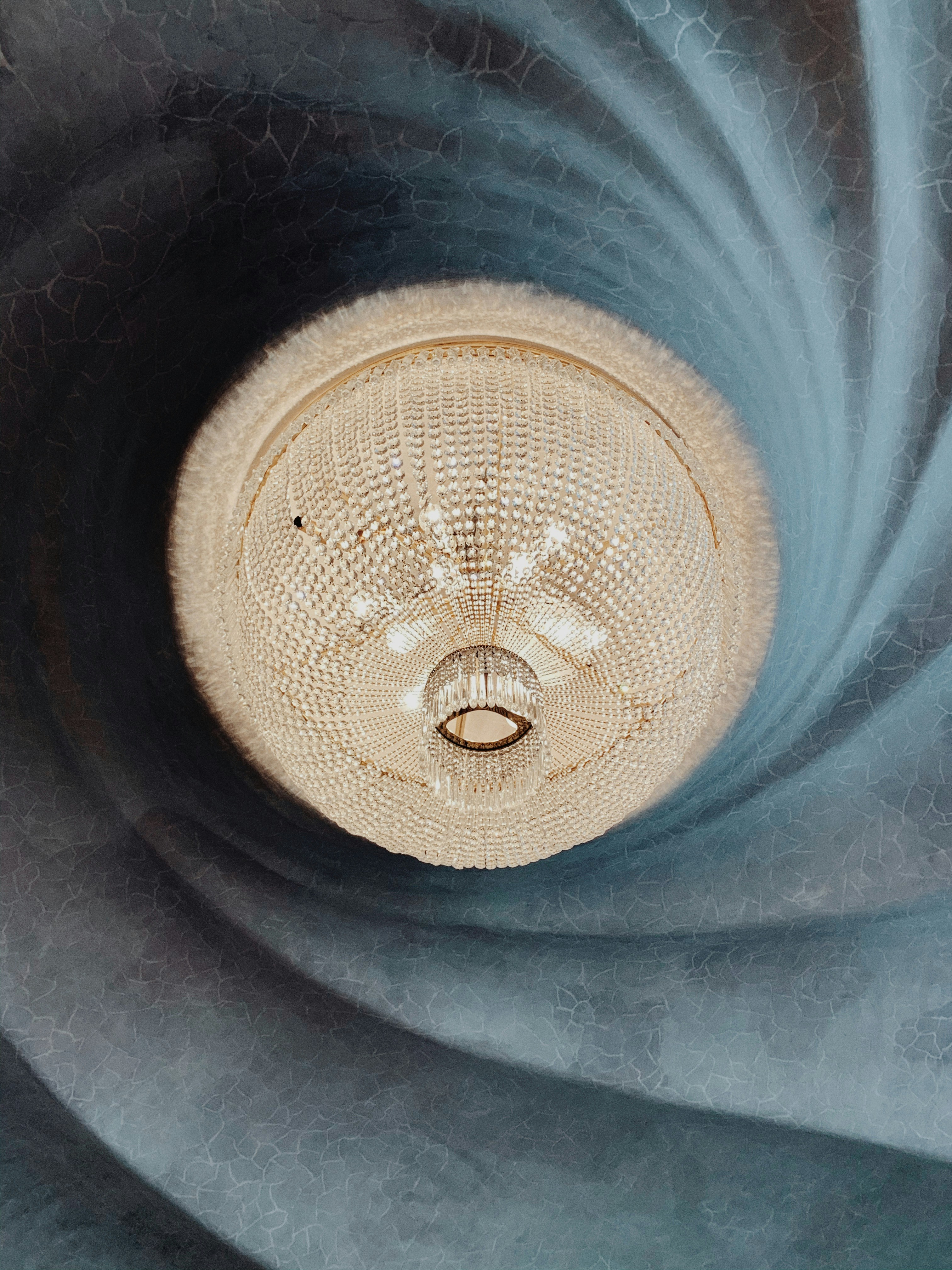
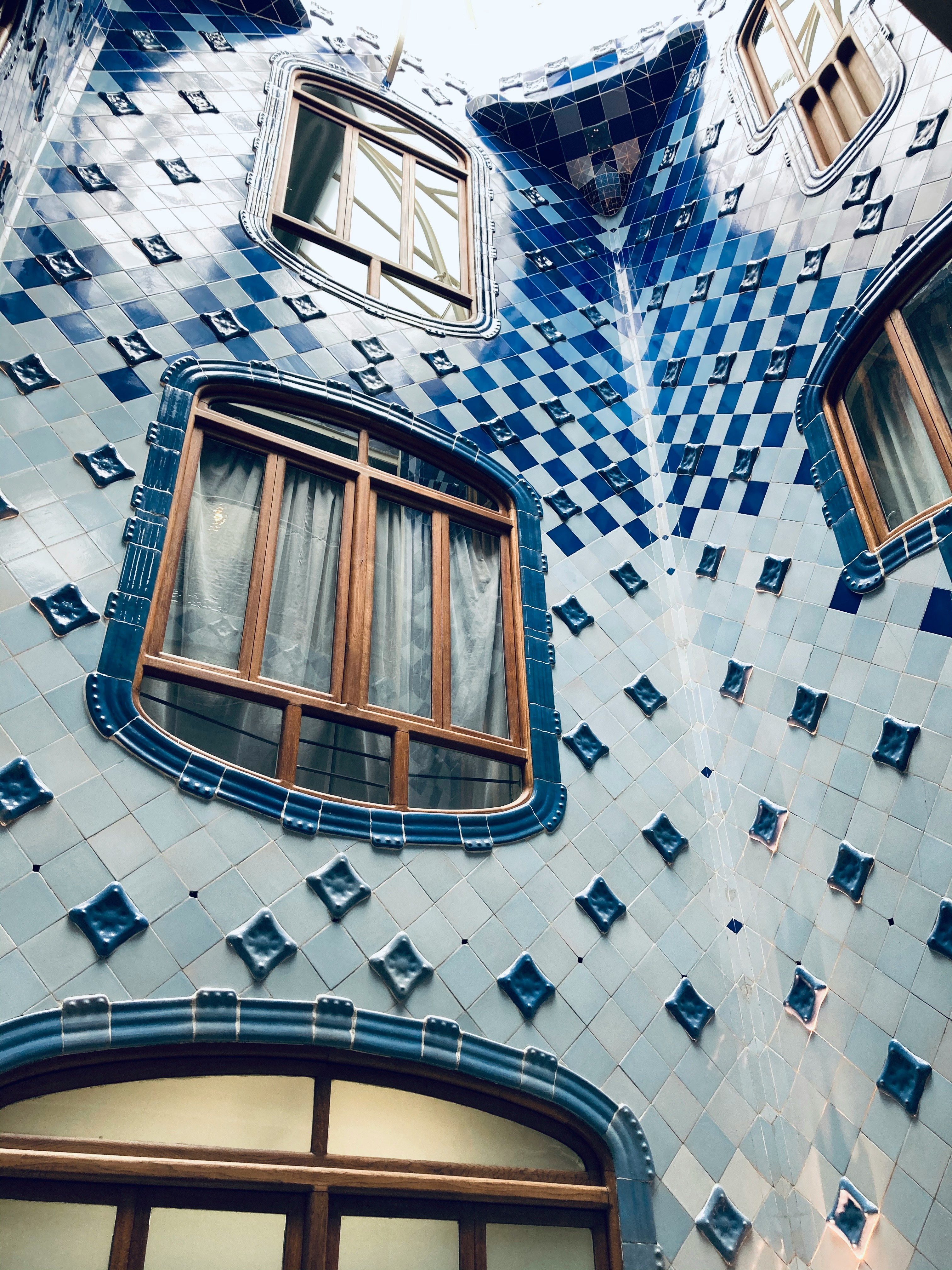
The building is often linked to the legend of Saint George, with the roof resembling the back of a dragon and the cross symbolizing the sword piercing it. Inside, light wells, organic shapes, and carefully graded colors create a seamless flow from top to bottom, ensuring both beauty and functionality.
Today, Casa Batlló is considered one of the most iconic works of Catalan Modernism and a defining piece of Gaudí’s legacy.
Originally a conventional building, Casa Batlló was transformed when industrialist Josep Batlló commissioned Antoni Gaudí to redesign it. Rather than demolishing the structure, Gaudí reimagined it entirely—reshaping the façade into a living surface of color and movement, inspired by nature and marine forms.
The building is often linked to the legend of Saint George, with the roof resembling the back of a dragon and the cross symbolizing the sword piercing it. Inside, light wells, organic shapes, and carefully graded colors create a seamless flow from top to bottom, ensuring both beauty and functionality.
Today, Casa Batlló is considered one of the most iconic works of Catalan Modernism and a defining piece of Gaudí’s legacy.